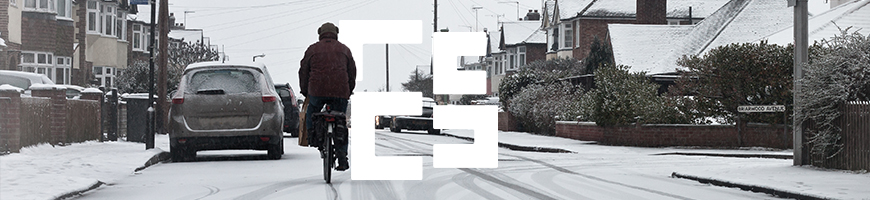
Tips for Cycling Through the Winter
By Anna Jones at Eversure,
9th December 2025, 8 min read
Cycling through the winter months can be challenging both mentally and physically. Whether you're commuting, training, or riding for pleasure, winter brings unique risks and challenges but with the right winter cycling gear and smart preparation can mean that cycling is also safe, enjoyable and rewarding at this time of year.
Why You Should Cycle Through Winter
Cycling in winter and braving the less than ideal weather conditions comes with both mental and physical benefits.
It has been said that cycling in colder temperatures can boost your immune system, increase the amount of calories you burn thus supporting a healthy metabolism, improve your mood, and combat seasonal affective disorder.
Mentally, it can help you build mental toughness and cycling resilience as well as enhancing and improving your bike-handling skills on a variety of surfaces.
Winter cycling can definitely be tough but cycling through the cold builds discipline and resilience. Riding on mixed terrains and surfaces strengthens muscles you don’t otherwise use.
Before you head out on your winter bike ride make sure to have a good pre-ride warm-up routine. This will help you start your ride warm and also stay warmer for longer.
How to Set Up Your Bike for Winter
In winter, you should opt for winter tyres if your bike has frame and fork clearance. They improve grip as well as handling grit, rocks and salt better.
Tubeless tyres are good in winter as they'll make it easier to avoid punctures which are particularly frustrating to fix in winter conditions.
You should also consider lowering your seatpost so you have a bit more stability on slippery surfaces.
Make sure your bike has mudguards too as they protect you, your riding companions and your bike’s components. It will reduce the spray of freezing water on your back. If your frame doesn’t have mounts then you can use P-clips and cable ties to secure them in place.
To protect the paint and the frame itself, you can use helicopter tape, electrical tape or even old strips of inner tubes and secure them down. Placing these on high-wear areas of the frame will mean it gets less of a battering by the harsh winter elements.
The cold weather outside can also freeze the pawls inside your freehub which could leave you unable to pedal. Hot water can thaw them but if you’re far from home you’re unlikely to have hot water to hand. Instead, you can try cable tying the cassette to the spokes – this might help to get you back moving.
Salt and grit wear brake pads faster in winter so if your disc brakes do start to rub, realign your caliper using a folded card and a simple squeeze-and-tighten method after loosening the bolts.
Prepare for a Puncture
As being at the roadside in winter trying to fix a puncture is definitely no fun - this is why preparation is key.
Make sure to keep a fully stocked puncture kit. Please be aware that gas canisters can speed up inflation and that electric pumps will work faster too, which is important when conditions are brutal.
Better still, you can reduce the likelihood of flats with tough winter tyres or tubeless setups.
Post-Winter Bike Ride
As road salt and winter grime are incredibly corrosive, proper bicycle maintenance is most important at this time of year.
After each ride, hose your bike down. This is especially necessary if the roads you’ve been cycling on have been salted. Salt can destroy chains, cables, bolts and other steel components and it only takes one ride for the damage to be done.
Visibility in Winter
With winter comes low light and wet conditions – making sure drivers can see you is critical for your safety.
Make sure to use your front and rear lights at all times, not just when it’s dark.
Carry spare lights in your winter so that even if you’re cut short and your light dies on you, you’re still on the right side of the law.
Supplement good bike lights with high-visibility clothing and reflective winter cycling gear as this will help other road users to see you sooner.
What to Wear for Winter Cycling
Not feeling too cold on your winter bike rides is important as being cold has the potential to cut your rides short. For your maximum comfort and protection it’s recommended that you choose a base layer with a moisture wicking fabric to keep the sweat off your skin.
Then we suggest you add a mid layer which is an insulating layer that effectively traps the heat.
Finally you’ll need a windproof and water-resistant winter cycling jacket.
Of course the amount of layers you need to wear depends on how cold it is outside.
Other essentials you need include winter cycling gloves; make sure they have enough room for circulation as tighter gloves could actually make your hands feel colder. Looser gloves will also have room for you to put a hand warmer inside too. Those with particularly cold hands might consider cycling pogies, otherwise known as handlebar muffs.
Cycling shoes designed for colder weather as well as winter cycling socks are another thing to consider. Some people suggest using plastic sandwich bags to keep the heat in. Dry socks will insulate and keep your feet much warmer than damp ones so some suggest to use an antiperspirant to reduce sweating, keep your feet dry and as a result, warm.
Thermal beanies and skull caps under your helmet will help to keep you head warm. If you feel the need to block the front vents on your helmet, this is not a bad idea. 40 – 45% of body heat is lost through via your head and neck so it’s vital that your head is kept warm. Some cyclists even put a swimming cap underneath their hat to keep themselves even warmer.
Other suggestions include face cream to protect your skin from windburn.
Bicycle Handling on Snow and Ice
Treat every corner with caution as winter cornering doesn't resemble summer cycling in the same way.
When it comes to stopping, be aware that where you put your foot down might be icy.
If you are cycling on icier road surfaces, be careful when you stop and put your feet down as if it’s icy you could lose your balance.
Choosing Winter Cycling Routes
The route you choose for your bike rides can help you stay warmer and safer. Wooded and tree covered areas block the wind and make them warmer than exposed roads.
If you don't have any trails like this near you then you should choose routes that have good sunlight.
In colder temperatures, you should expect more rolling resistance and stiffer tyres.
Climbing can keep you warm as it requires a more constant effort and less wind exposure.
If the conditions are extreme – maybe there is heavy ice, snow or high winds – that make riding unsafe then you shouldn’t force it.
Kit List for Winter Bike Rides
Make sure to pack the following so you are prepared for every eventuality:
- Spare lights
- Waterproof jacket
- Extra layers
- Head torch
- Tools
- Repair kit
- Snacks
- Water
Indoor Training
The ability to train indoors is an excellent thing to have in your back pocket if the conditions outside are poor. There is no shame in swapping the roads for a turbo trainer. Indoor training allows you to maintain fitness, avoids you being exposed to potentially dangerous conditions and allows you to still have structured sessions. Not only this but training indoors also allows you to reduce the winter wear on your bike.
You can also supplement outdoor rides with running, swimming or strength training to help build your endurance.
Bicycle Insurance to Protect Your Bike Year Round
Corrosion, crashes on icy roads, and mechanical failures are far more common during the colder months. That’s why many riders choose bicycle insurance to protect against accidental damage, theft, and unexpected mechanical issues that often arise in winter.
Final Thoughts
Winter cycling may demand more preparation, awareness, and maintenance, but with the right winter cycling gear, smart route choices, and a reliable bike protection plan, it becomes not only manageable but rewarding.
The colder months offer a chance to build resilience, improve bike-handling skills, and enjoy quieter roads and trails. By staying visible, staying warm, and looking after your bike, you can ride confidently all season long and with the added peace of mind of bicycle insurance, you’re free to focus on what really matters: enjoying the ride, no matter the weather.